Touchpoints are the various ways in which a customer interacts with a brand, both online and offline. In the world of modern retail, these touchpoints play a crucial role in optimizing the in-store experience and shaping the customer’s journey and perception of a Retail Media Network.
This article will explore the various types of touchpoints in a retail setting, as well as strategies for optimizing these touchpoints to create a seamless and enjoyable experience for customers.
Types of touchpoints in a retail setting
There are two main categories of touchpoints in a Retail Media Network: physical touchpoints and digital touchpoints.
Physical touchpoints for optimizing the in-store experience
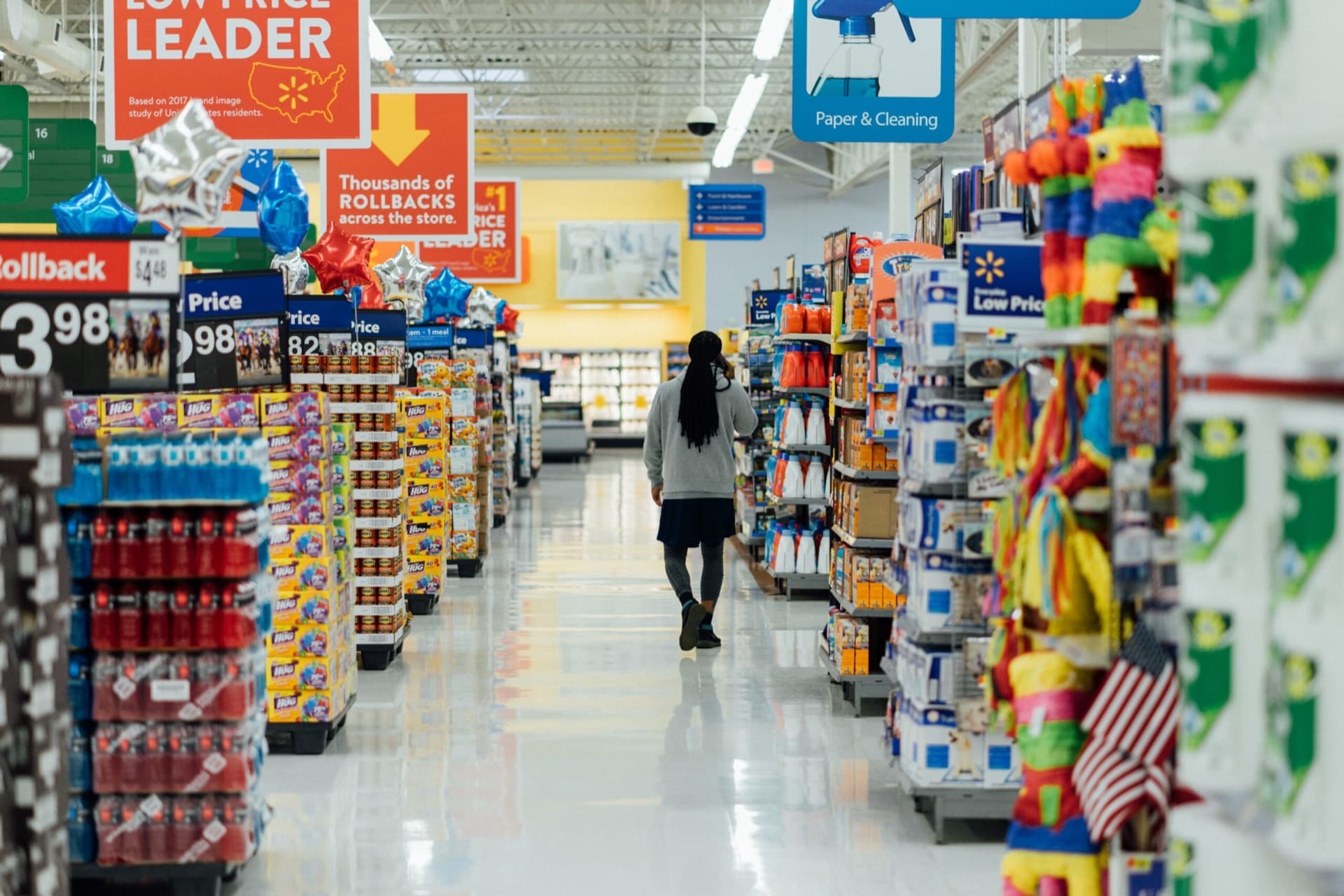
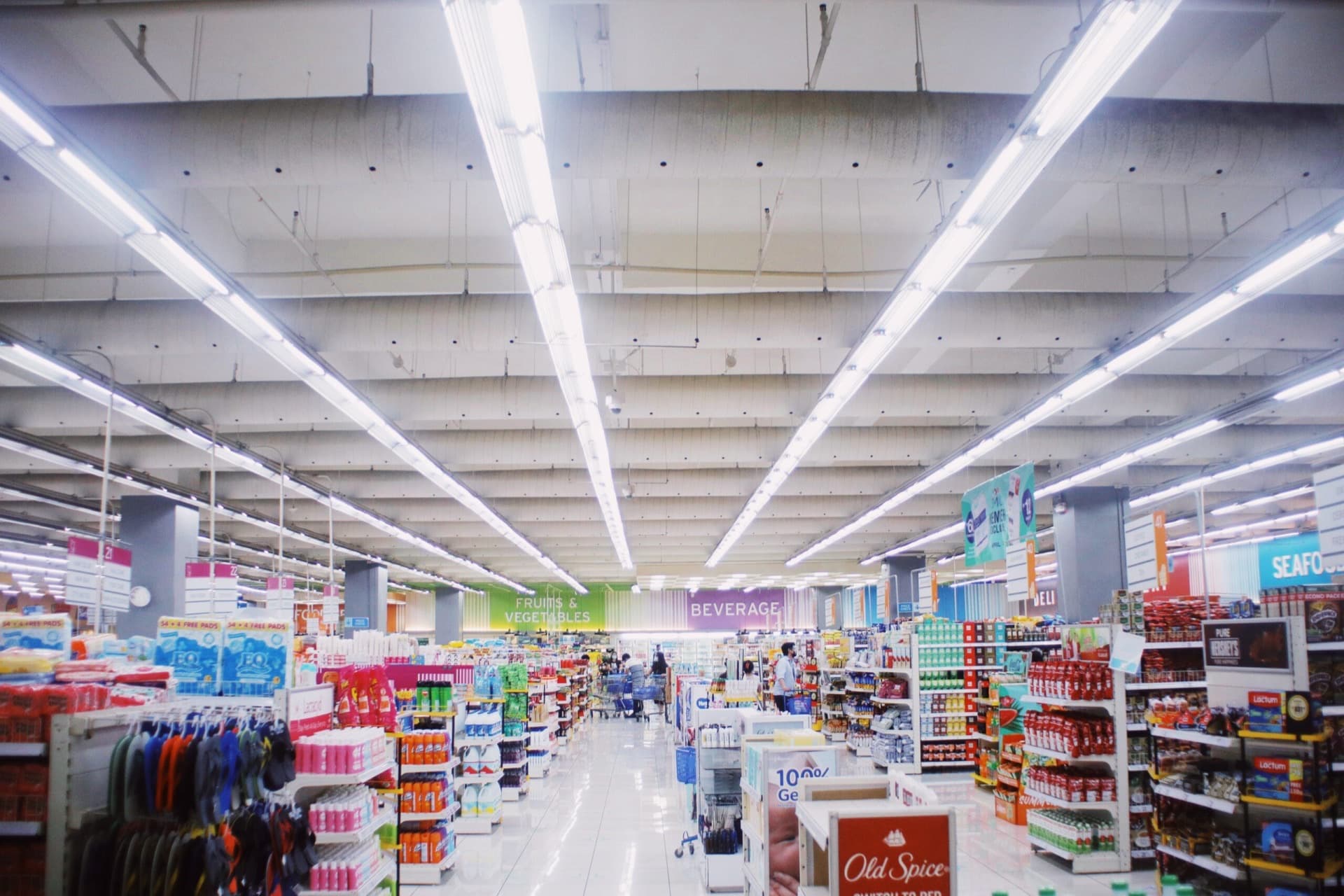
Physical touchpoints refer to the tangible elements of the customer experience, such as the store layout, product displays, and in-store signage. These touchpoints can have a significant impact on the customer’s perception of the store. Also on the products being sold. For example, a cluttered and disorganized store layout may create a negative impression and deter customers from purchasing. Contrarily, a well-designed and visually appealing store layout can help to create a positive and inviting atmosphere.
Digital touchpoints for optimizing the in-store experience
Digital touchpoints, on the other hand, refer to the online channels through which a customer interacts with a brand. This can include the company’s website, social media accounts, mobile app, etc. These touchpoints allow customers to access information about the company and its products. Additionally, they allow customers to make purchases and engage with the brand in a virtual setting.
Effective touchpoint strategies in Retail Media Networks
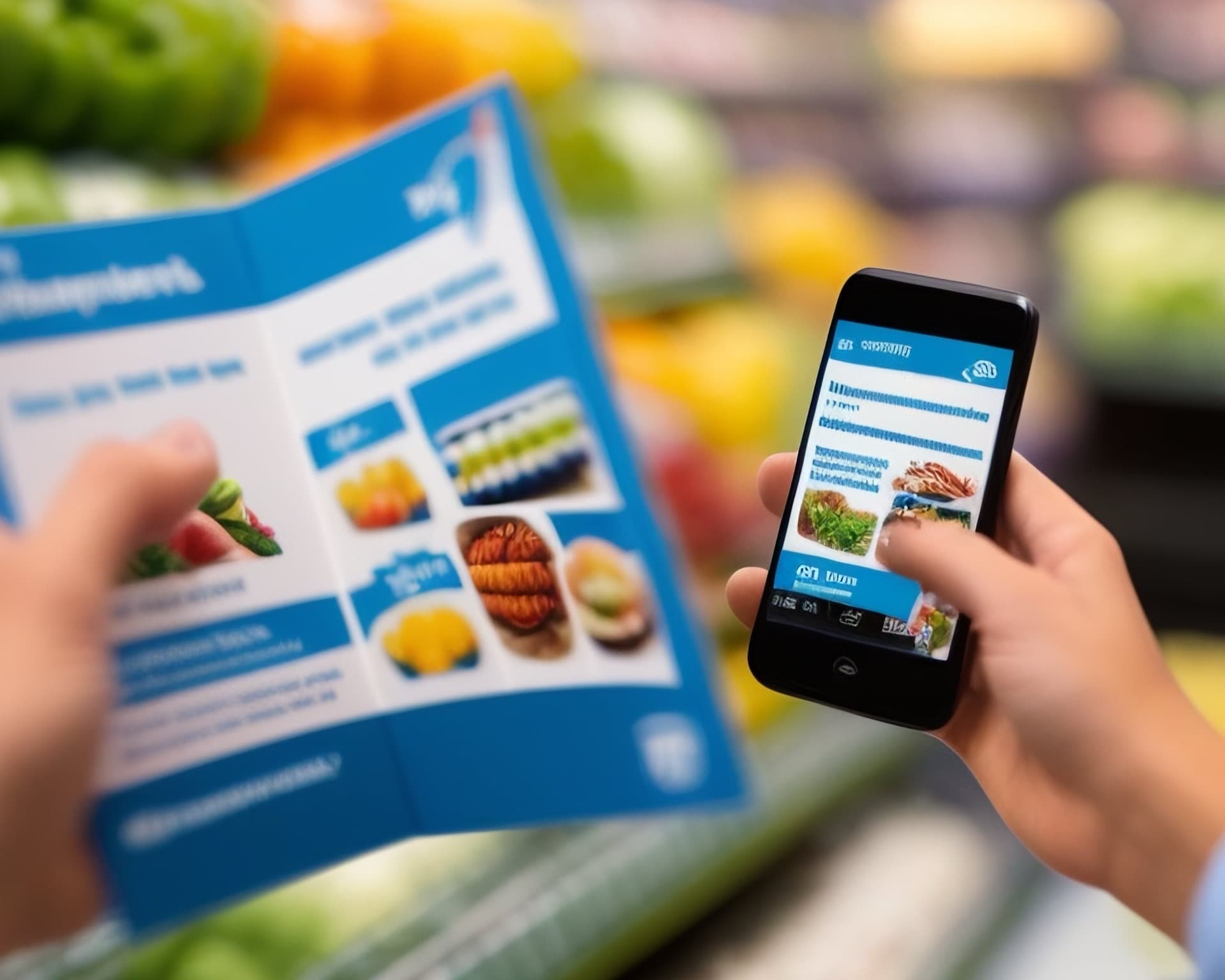
One of the key ways in which retailers can optimize their touchpoints is by leveraging technology for optimizing the in-store experience. This can include the use of kiosks and interactive displays. This allows customers to access product information. Furthermore, make purchases without the need for assistance from store staff. Mobile apps can also provide customers with personalized recommendations and offers, as well as facilitate the in-store payment process.
Another effective strategy for optimizing touchpoints in retail is the integration of online and offline touchpoints. This can involve using online channels to drive foot traffic to physical stores, or vice versa. For example, a retailer might offer online customers the option to reserve products for in-store pickup or use in-store signage and displays to promote online sales and special offers. This helps to create a seamless experience for customers and encourages them to engage with the brand across multiple channels.
Challenges and considerations in managing touchpoints
One of the main challenges in managing touchpoints in retail is ensuring a consistent brand experience across all channels. This means that both the physical store and online channels reflect the same values, messaging, and aesthetics. It’s also important to consider the various devices and platforms that customers may use to interact with a brand, optimizing the experience for each one.
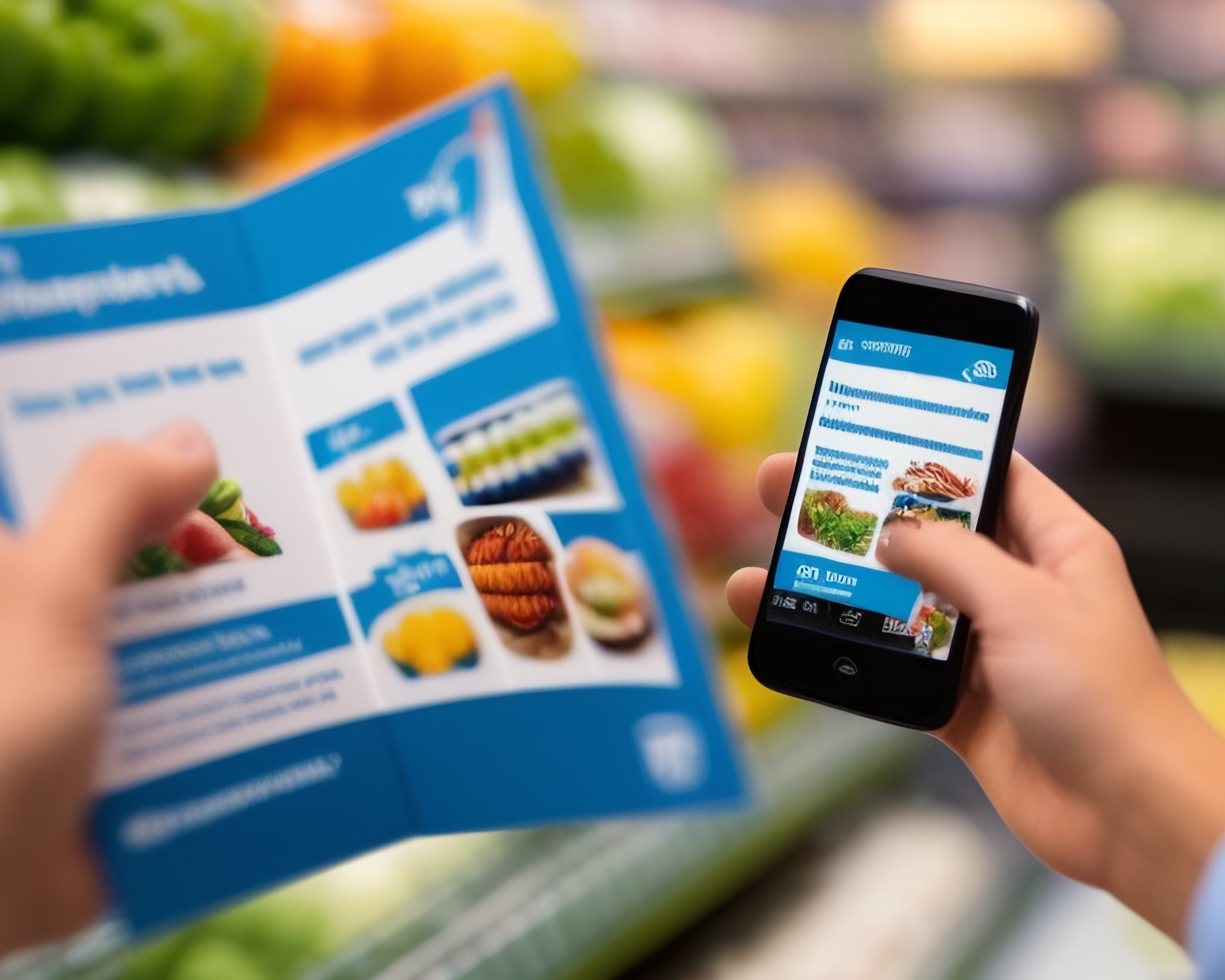
Another key consideration in managing touchpoints is the handling of customer data and privacy concerns. Retailers should be transparent about how they collect and use customer data, and ensure that they have the appropriate consent and security measures in place to protect this data.
Optimizing the in-store experience with touchpoints
There are several ways in which retailers can optimize the in-store experience with touchpoints:
Use technology to enhance the in-store experience
As mentioned in the previous section on effective touchpoint strategies, technology can be a powerful tool for optimizing the in-store experience. This can include the use of kiosks and interactive displays to provide customers with product information and facilitate the payment process, as well as the use of mobile apps to provide personalized recommendations and offers.
Consider the customer journey
Retailers should take a holistic view of the customer journey. Consider how touchpoints can be used to create a seamless experience from start to finish. This might involve using in-store signage and product displays to guide customers through the store. Alternatively, provide additional services such as free Wi-Fi or seating areas to make the shopping experience more comfortable.

Foster a sense of community
In-store events and experiential marketing campaigns can be effective to create a sense of community and engage customers. This might involve hosting workshops, classes, or product demonstrations. Furthermore, offering special discounts or promotions to customers who participate in these events.
Train staff to be knowledgeable and friendly
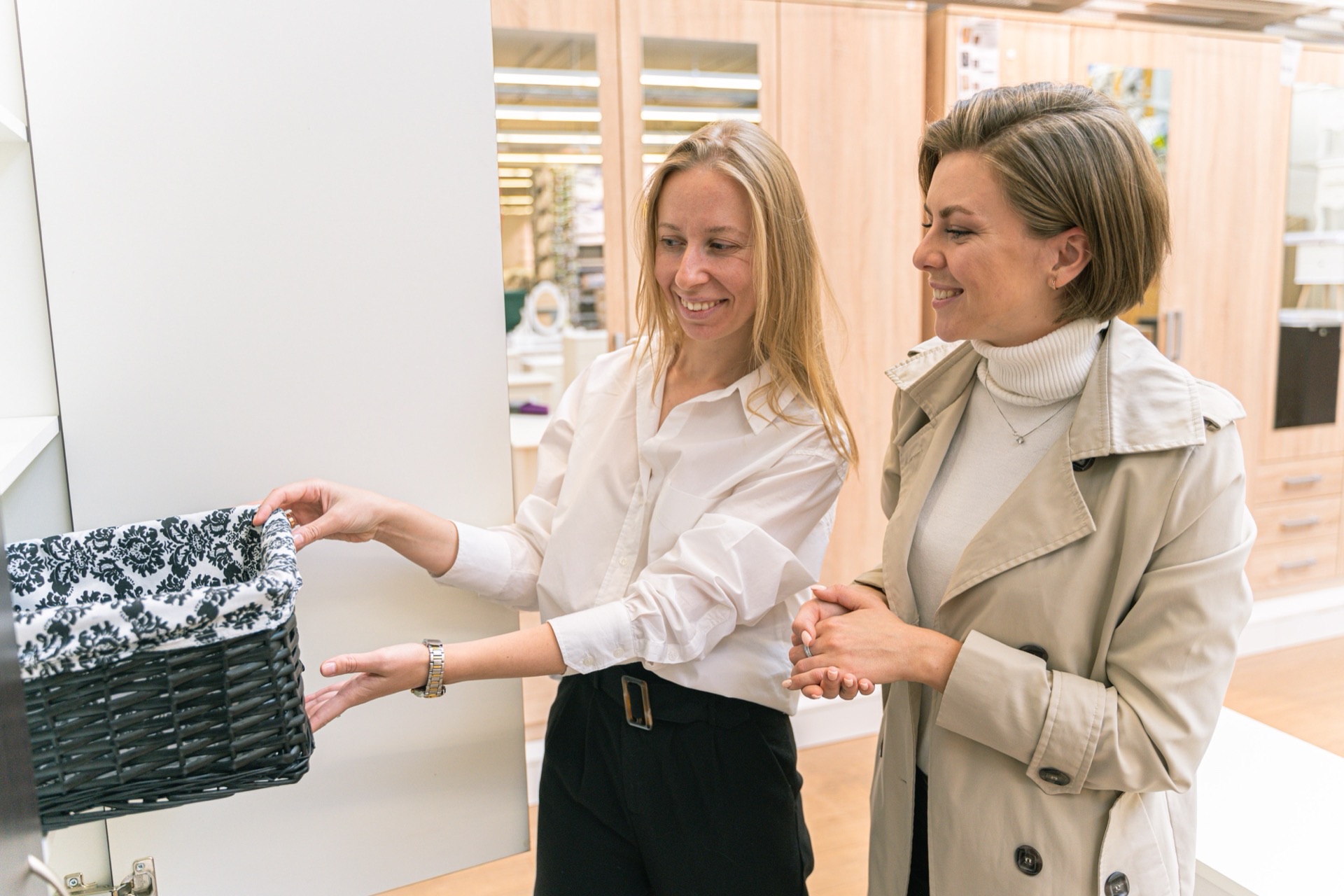
The interactions that customers have with store staff can have a big impact on their overall experience. Retailers must optimize these interactions. First of all, ensure the staff is knowledgeable about the products and services they offer. Secondly, they are friendly and approachable. Last, staff should also be trained to handle customer inquiries and complaints effectively.
Personalize the in-store experience
By collecting customer data both online and offline, retailers can create a more personalized in-store experience for their customers. This might involve implementing and measuring targeted offline campaigns. Moreover, offering personalized product recommendations based on a customer’s previous purchases or browsing history.
Overall, optimizing the in-store experience with touchpoints involves a combination of:
- Technology
- Customer journey mapping
- Community building
- Staff training
- Personalization.
By considering all of these factors, retailers can create a truly memorable and enjoyable in-store experience for their customers.
Shoppermotion’s in-store tracking technology for optimizing the in-store experience
Shoppermotion is a company that offers in-store tracking technology to help retailers optimize the in-store experience. This technology tracks customer behavior in real-time, providing retailers with valuable insights. For example, how customers interact with products, displays, and other elements of the store.
Shoppermotion’s technology can provide retailers with data on which products and displays are attracting the most attention from customers. Retailers can identify what is and isn’t working in terms of product placement and display design, hence making adjustments accordingly. Additionally, it provides retailers with insights into customer traffic patterns and flows. Retailers can identify areas of the store that may be causing congestion. Ultimately, make changes to the store layout or signage to improve the overall customer experience.
Overall, Shoppermotion’s in-store tracking technology can be a powerful tool for optimizing the in-store experience. By providing valuable insights into customer behavior and enabling retailers to deliver targeted marketing campaigns and personalized recommendations, this technology can help retailers to create a more seamless and enjoyable shopping experience.
Conclusion
In conclusion, touchpoints play a vital role in shaping the customer experience in modern retail. By understanding the different types of touchpoints and implementing effective strategies for optimizing them, retailers can create a seamless experience for their customers across both physical and digital channels.
As technology continues to evolve and new touchpoints emerge, retailers need to stay up-to-date and adapt their strategies accordingly.